
How to Choose your Baby Sleep Sack - The most complete guide for parents
Keep your baby safe, cozy, and sleeping soundly! As a parent, ensuring your baby gets safe, comfortable, for a restful sleep is a top priority. This comprehensive guide is designed to help you navigate the world of baby sleep sacks, ensuring you make the best choice for your little one.
Our guide to baby & infant sleep sacks shows you how to pick the perfect one—from TOG ratings and fabrics to sizing and swaddle transitions. More than just a soft sleepwear piece, a sleep sack supports safe sleep, reduces SIDS risk, and ensures your little one stays comfortable all night.

Table of content
What is a Baby Sleep Sack?
A baby sleep sack, or wearable blanket, is a safer alternative to loose blankets, reducing the risk of SIDS by staying away from baby's face. It keeps your baby warm and comfortable throughout the night, with many options from light & breathable fabrics for warmer weather, and to cozier materials for cooler nights. Sleep sacks come in various sizes to suit different developmental stages, ensuring your baby’s safety and comfort as they grow. When choosing, consider your baby’s age, weight, natural body heat, the season, room temperature, and the fabric type or tog rating.
The Pediatrician-Approved Sleep Solution
According to theAmerican Academy of Pediatrics, sleep sacks are a safer alternative to loose bedding, which can pose a suffocation hazard for babies. Sleep sacks ensure that your baby remains warm without the risk of loose blankets covering their face. Many sleep consultants also recommend sleep sacks for their ability to provide a consistent sleep environment, which can help in establishing a healthy sleep routine.
Why choose a sleep sack
Sleep sacks are designed to replace loose blankets in the crib, which can be a safety hazard for infants. They:
Keep your baby warm and cozy without restricting movement
Promote safe sleep by reducing SIDS risk
Make nighttime diaper changes easier
Understanding TOG Ratings
0.7 TOG : Perfect for rooms between 23 °C and 27 °C
Choose it for hot summer nights at home or when traveling to warmer climates—keeping baby cool, cozy, and safely asleep without the risk of overheating.TOG 1.0 : Perfect for rooms between 18°C and 22°C
Soft, lightweight, and ultra comfortable. Perfect for milder temperatures, it naturally regulates heat and moisture, keeping baby dry throughout the night.TOG 1.5 : Perfect for rooms between 18°C and 22°C
Soft and cozy fabric that provides snuggly comfort without the need for extra blankets. Choose it for fall, winter, or cooler rooms to ensure a warm and safe night's sleep.2.0 TOG : Perfect for rooms between 16 °C and 20 °C
Made of woven cotton with a soft knit lining and proudly made local, this sleep sack is perfect for cold nights.2.5 TOG : Perfect for rooms between 16 °C and 20 °C
Choose it when room temperatures are lower, for a warm and peaceful sleep, even in the heart of winter.
Key Components of a Baby Sleep Sack
Body: The main body of the sleep sack, which wraps your baby from neck to feet, is carefully designed to provide a snug yet non-restrictive fit. High-quality materials like breathable cotton and muslin are used to ensure baby stays warm while allowing freedom of movement and airflow to prevent overheating. When choosing a sleep sack, consider your baby’s age, size, and the room temperature. Lightweight cotton suits warmer climates, while quilted or cozy fabrics are better for cooler nights.
Zippers for Convenience: Some sleep sacks on the market offer a two-way zipper. Be careful! It is imperative that the neck circumference remains fixed and matches the size you've chosen. Otherwise, if it opens, baby's head could get covered. A well-designed sleep sack also includes a zipper that makes nighttime diaper changes quick and easy. Make sure it always unzips from the bottom, making diaper changes less disruptive and ensuring your baby remains covered and comfortable. Look for zippers with protective covers at the neck to prevent irritation or discomfort for your baby.
Armholes & Neck Openings for Safety: One of the most critical safety features of a sleep sack is the fit of its armholes and neck opening. These elements are designed to keep baby securely inside the sack, preventing the risk of slipping inside while still allowing free movement of the arms. A proper fit ensures that baby’s shoulders and head remain outside the sack, reducing the risk of suffocation while promoting comfort and safety. Be sure to select a sleep sack from a trusted, experienced brand that has been tested and proven. Many imitations are on the market and may not meet industry standards.
Choosing the Right Fabric
The right fabric keeps your baby cozy and comfortable. Here are common options:
Cotton muslin :
Choose it for hot summer nights at home or when traveling to warmer climates—keeping baby cool, cozy, and safely asleep without the risk of overheating.Woven Coton :
Soft, lightweight, and ultra comfortable. Perfect for milder temperatures, it naturally regulates heat and moisture, keeping baby dry throughout the night.Bamboo
Soft and cozy fabric that provides snuggly comfort without the need for extra blankets. Choose it for fall, winter, or cooler rooms to ensure a warm and safe night's sleep.Plush or Velour
Made of woven cotton with a soft knit lining and proudly made local, this sleep sack is perfect for cold nights.
Which Fabric Is Best for YOUR Baby?
Selecting the right fabric for yourbaby’s sleep sackis crucial to ensuring both comfort and safety. The fabric you choose should align with your baby’s specific needs, from sensitive skin to sleeping habits and the climate you live in. Here’s how to decide:
For babies with delicate or sensitive skin, bamboo and organic cotton are top choices. Both materials offers naturally hypoallergenic fibers, are breathable, and gentle on the skin, making them ideal for preventing irritation. Bamboo, in particular, has moisture-wicking properties that help keep your baby dry throughout the night.
For Active Sleepers: If your baby tends to move a lot during sleep, stretchy cotton or bamboo fabrics offer the flexibility they need. These materials allow for freedom of movement, ensuring your baby stays comfortable and less restricted, which can improve overall sleep quality.
For Warm Climates: In hot weather, muslin is a perfect choice. It’s lightweight and breathable, with an open weave that promotes airflow, helping to keep your baby cool and comfortable. Cotton is also a good option for warm climates, providing softness and coverage without trapping heat.
For Colder Months: When the temperature drops, fabrics like plush or velour provide extra warmth and coziness. These materials are soft to the touch and perfect for keeping your baby snug on colder nights, but they’re less breathable than cotton or bamboo, so monitor the room and baby's body tempertures to avoid overheating.
Finding the Right Size
A proper fit is key to safety and comfort. Sleep sacks should allow free leg movement without being too loose around the torso. Check manufacturer size guides carefully, and consider your baby’s growth over a few months.
0-3 months: Choose a sleep sack with a snug yet safe fit around the shoulders and neck. Look for arms in or out design, giving flexibility as your baby grows. Always prioritize safety: no loose fabric, hoods, or weights—just fitted neck and armholes with enough room for hips and legs to move freely.
0-6 months: At this stage, every baby’s needs are different, so look for designs with fitted openings, no loose fabric or hoods, and enough space for natural hip and leg movement. Since little ones may begin rolling onto their bellies at this stage, a secure, sleeveless design with fitted openings and room for hip and leg movement is essential.
6-18 months: From 6–18 months, babies become more mobile—rolling, crawling, and even pulling themselves up. At this stage, a well-fitted sleep sack ensures they stay safe and warm without loose blankets. Look for sleeveless designs with a secure fit at the neck and armholes, plus plenty of space for hips and legs to move freely as your little one explores new milestones.
18-36 months: Toddlers are active sleepers—standing, walking in the crib, and moving around more at night. A sleep sack for this stage should provide freedom of movement while maintaining safety and warmth. Choose a design with a secure neckline and armholes, a roomy lower section for legs, and make sure the baby cannot easily access the zipper pull to keep the sleep sack safe.
How to Measure Your Baby for a Sleep Sack
By following these guidelines, you’ll ensure that your baby’s sleep sack fits well, providing a cozy and safe sleeping environment.
Weight: To get the most accurate measurement, weigh your baby without clothing. Match their weight to the range recommended by the brand to ensure proper fit and safety.
Height: Measure your baby’s height by laying them flat and stretching a soft measuring tape from the top of their head to the bottom of their feet. Ensuring the sleep sack provides enough length allows for natural leg movement, which is key for healthy development.
Fit: A well-fitted sleep sack should be snug around the neck, shoulders and chest to prevent slipping but leave ample room around the legs for free movement. Always check that the armholes are secure but not restrictive, providing both safety and comfort.
How many sleep sack do you need?
As a parent, one common question is how many sleep sacks you need to keep your baby safe, comfortable, and happy. The answer depends on several factors, including your baby’s age, laundry routine, and seasonal changes.
Factors to Consider
- Age and Growth: Babies grow quickly, so you’ll need to size up regularly. Having a few sleep sacks in different sizes ensures you’re always prepared.
- Laundry Frequency: If you do laundry less often, you’ll need extra sleep sacks to account for messes and accidents.
- Seasonal Changes: Different seasons require sleep sacks with varying TOG ratings to keep your baby comfortable.
- Accidents and Spills: Spit-ups, diaper leaks, and other surprises are inevitable. Having spares minimizes stress when these happen.
Recommended Quantities
- Newborns: It’s a good idea to have 3–5 sleep sacks. This allows for frequent changes due to spit-ups or diaper leaks and ensures you’re covered between laundry cycles.
- Older Babies: As your baby grows, 2–3 sleep sacks are usually sufficient. They’re less likely to need as many changes, but you may still want extras for seasonal adjustments.
Conclusion
Choosing the right baby sleep sack goes beyond comfort—it’s a decision centered on your baby’s safety and well-being. This guide has covered everything from understanding TOG ratings to selecting the correct size and knowing the right time to transition from swaddling, ensuring you’re equipped with expert-backed insights to make informed choices. In the end, trust yourself and your capabilities because you really are the best to know what's best for your baby.
Endorsed by pediatricians and sleep consultants, sleep sacks are widely regarded as a safer alternative to loose blankets, reducing the risks associated with Sudden Infant Death Syndrome (SIDS) and creating a secure, consistent sleep environment for your baby. With this knowledge, you can confidently select a sleep sack tailored to your baby’s unique needs, age, and room temperature—ensuring a safer and more restful night’s sleep.

Why Choose a Sleep Sack?
Sleep sacks are designed to replace loose blankets in the crib, which can be a safety hazard for infants. They:
Keep your baby warm and cozy without restricting movement
Promote safe sleep by reducing SIDS risk
Make nighttime diaper changes easier
1. Understanding TOG Ratings
TOG (Thermal Overall Grade) measures a sleep sack’s warmth. Choosing the right TOG ensures your baby stays comfortable in different room temperatures.

0.7 TOG : Perfect for rooms between 23 °C and 27 °C
Choose it for hot summer nights at home or when traveling to warmer climates—keeping baby cool, cozy, and safely asleep without the risk of overheating.TOG 1.0 : Perfect for rooms between 18°C and 22°C
Soft, lightweight, and ultra comfortable. Perfect for milder temperatures, it naturally regulates heat and moisture, keeping baby dry throughout the night.TOG 1.5 : Perfect for rooms between 18°C and 22°C
Soft and cozy fabric that provides snuggly comfort without the need for extra blankets. Choose it for fall, winter, or cooler rooms to ensure a warm and safe night's sleep.2.0 TOG : Perfect for rooms between 16 °C and 20 °C
Made of woven cotton with a soft knit lining and proudly made local, this sleep sack is perfect for cold nights.2.5 TOG : Perfect for rooms between 16 °C and 20 °C
Choose it when room temperatures are lower, for a warm and peaceful sleep, even in the heart of winter.
2. Choosing the Right Fabric
The right fabric keeps your baby cozy and comfortable. Here are common options:
If you are unsure, take the quiz!

Cotton muslin :
Choose it for hot summer nights at home or when traveling to warmer climates—keeping baby cool, cozy, and safely asleep without the risk of overheating.Bamboo:
Soft, lightweight, and ultra comfortable. Perfect for milder temperatures, it naturally regulates heat and moisture, keeping baby dry throughout the night.Plush or Velour:
Soft and cozy fabric that provides snuggly comfort without the need for extra blankets. Choose it for fall, winter, or cooler rooms to ensure a warm and safe night's sleep.Woven Coton :
Made of woven cotton with a soft knit lining and proudly made local, this sleep sack is perfect for cold nights.
3. Finding the Right Size
A proper fit is key to safety and comfort. Sleep sacks should allow free leg movement without being too loose around the torso. Check manufacturer size guides carefully, and consider your baby’s growth over a few months. If you are unsure, take the quiz!
Tip: If your baby can roll over, make sure the sleep sack allows easy arm and leg movement.

0-3 months
Choose a sleep sack with a snug yet safe fit around the shoulders and neck. Look for arms in or out design, giving flexibility as your baby grows. Always prioritize safety: no loose fabric, hoods, or weights—just fitted neck and armholes with enough room for hips and legs to move freely.

0-6 months
At this stage, every baby’s needs are different, so look for designs with fitted openings, no loose fabric or hoods, and enough space for natural hip and leg movement. Since little ones may begin rolling onto their bellies at this stage, a secure, sleeveless design with fitted openings and room for hip and leg movement is essential.

6-18 months
From 6–18 months, babies become more mobile—rolling, crawling, and even pulling themselves up. At this stage, a well-fitted sleep sack ensures they stay safe and warm without loose blankets. Look for sleeveless designs with a secure fit at the neck and armholes, plus plenty of space for hips and legs to move freely as your little one explores new milestones.

18-36 months
Toddlers are active sleepers—standing, walking in the crib, and moving around more at night. A sleep sack for this stage should provide freedom of movement while maintaining safety and warmth. Choose a design with a secure neckline and armholes, a roomy lower section for legs, and make sure the baby cannot easily access the zipper pull to keep the sleep sack safe.
Quick Key Takeaways
-
Sleep sacks = safe sleep
Trust in our commitment to safety, as each sack is rigorously tested to meet international standards, giving you peace of mind.
-
TOG rating matter
The higher the TOG is, the more warmth the sleeping bag will provide (warmer and cozier). The lower the TOG is, the more air the sleep sack will let through (lighter and more breathable)
-
Fabric is key
The choice of textile directly affects your baby’s comfort, as breathable, soft fabrics help regulate temperature, prevent overheating, and keep sleep restful throughout the night.
-
Size and fit = safety and mobility
Choosing the right size and design for each stage ensures your little one stays cozy, safe, and well-rested.
Blog posts
See all articles-
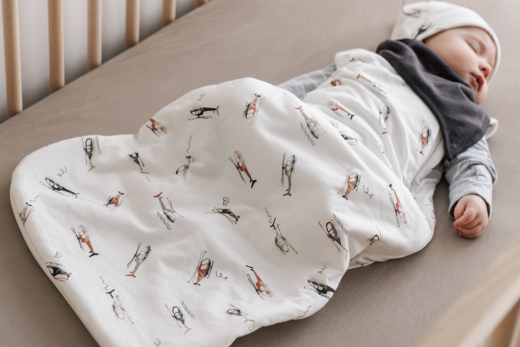
The benefits of using a baby sleep sack
Becoming a parent for the first or umpteenth time is a wonderful, albeit stressful, time. So many questions and so many changes! Many parents of newborns often wonder about sleep...
March 2025The benefits of using a baby sleep sack
Becoming a parent for the first or umpteenth time is a wonderful, albeit stressful, time. So many questions and so many changes! Many parents of newborns often wonder about sleep...
March 2025 -
Top 5 Sleep Challenges for Babies (And How to O...
As mothers, navigating baby sleep patterns can sometimes feel like walking through a maze. Combining expert wisdom with heartfelt motherly insights, let's dive into common sleep challenges and their nurturing...
March 2025Top 5 Sleep Challenges for Babies (And How to O...
As mothers, navigating baby sleep patterns can sometimes feel like walking through a maze. Combining expert wisdom with heartfelt motherly insights, let's dive into common sleep challenges and their nurturing...
March 2025 -
How to Get Baby to Sleep Through the Night
It can be exhausting becoming a new parent. Whether your baby starts to cry in the dead of night, first thing in the morning or anywhere in between, interrupted and...
November 2023How to Get Baby to Sleep Through the Night
It can be exhausting becoming a new parent. Whether your baby starts to cry in the dead of night, first thing in the morning or anywhere in between, interrupted and...
November 2023
